EN
EN  ID
ID  AR
AR  ZH
ZH 
FKIK Develops Collaborative Health Professions Education Course
Inter Professional Education (IPE) is a collaborative educational practice between two or more health professions who learn about each other's health professions and their respective roles, with the aim of improving collaboration skills and the quality of health care. This educational concept is recommended by World Health Organization (WHO) as an integrated education to build collaboration between health workers and has also become the National Standard for Medical Education in Indonesia.
The Faculty of Medicine and Health Sciences (FKIK) of UIN Maulana Malik Ibrahim Malang (UIN Maliki) has been conducting this educational practice since 2019. IPE itself is a course given to final-semester students and is included in the faculty curriculum, thus involving collaboration across study programs in its implementation, namely the Pharmacy Study Program and the Medical Education Study Program. This collaboration certainly involves lecturers and students from each study program. To ensure the smooth collaboration between the two study programs, a special unit at FKIK was appointed, namely the Hajj Health Unit, which functions to facilitate and coordinate. This IPE is also integrated into the Hajj health development program carried out by FKIK UIN Malang, which we then know as HIPE (Hajj pilgrim health-based Interprofessional Education).
The purpose of the IPE course is to train students to identify health problems and factors that influence the health of prospective Hajj pilgrims, carry out preventive and promotive interventions with a holistic, family-based approach to prospective Hajj pilgrims, train students to communicate, cooperate and collaborate in solving problems based on the limitations of their respective health professions and also support government programs in the health sector in the process of coaching prospective Hajj pilgrims towards istithaah.
The IPE curriculum is designed with a health-based approach for prospective Hajj pilgrims, so it is not surprising that the training includes materials such as Identifying Family Health Problems, Analysis of Prospective Hajj Pilgrim Therapy, and the Pre-Departure Hajj Pilgrimage Process, in addition to materials on IPE itself such as interprofessional communication and professional ethics. The excellence of IPE at FKIK UIN Malang not only equips students with collaborative competencies but also provides benefits to the community, especially prospective Indonesian Hajj pilgrims. This excellence is supported by instructors who have received training in interprofessional education and are also competent instructors in the field of Hajj health.
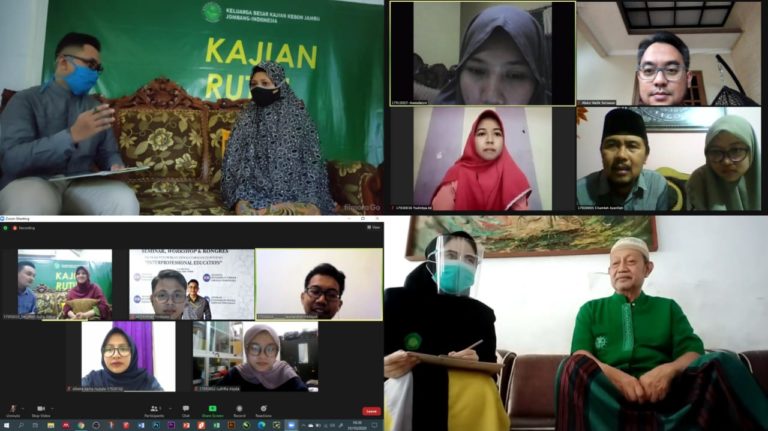
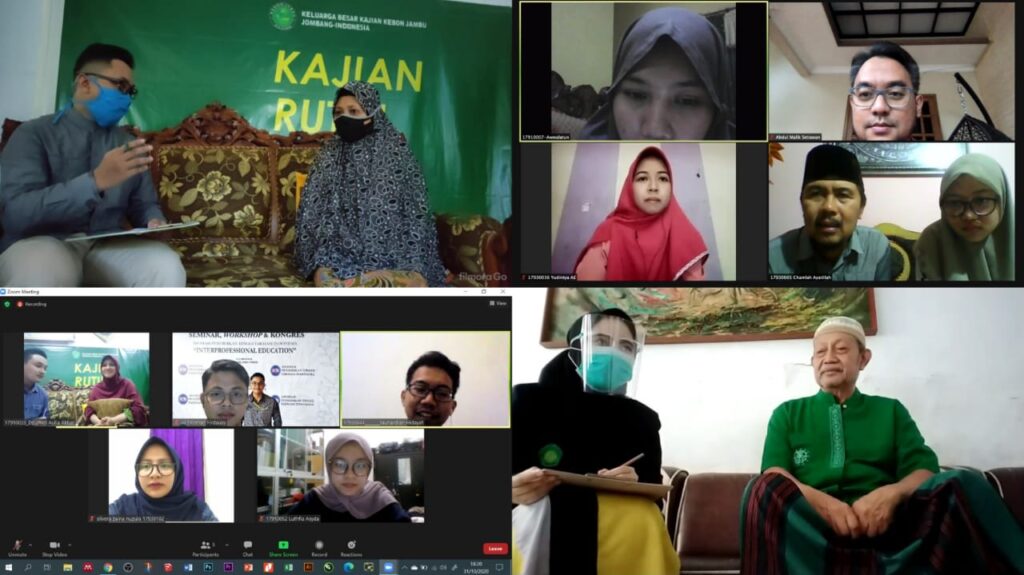
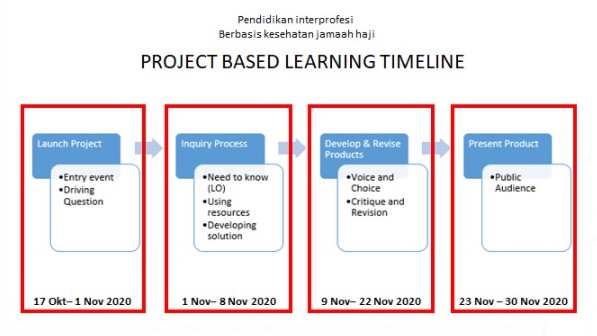
“"In light of the ongoing pandemic in Indonesia, we have modified the IPE learning method this year by implementing Project-Based Learning. Students continue to identify health issues among prospective Hajj pilgrims, but by seeking out prospective pilgrims in their respective neighborhoods. This means that this year's Hajj health-based IPE has been implemented nationwide," the IPE unit team explained. After identifying Hajj health issues in their respective locations, students within an IPE team will be asked to create a product that will be useful in solving the health issues of the Hajj pilgrims they are mentoring.
Interprofessional education is expected to produce health professionals with the knowledge, attitudes, and skills to address complex and dynamic health issues within a collaborative team. Furthermore, this program is expected to contribute to efforts to provide health guidance to prospective Hajj pilgrims toward istita'ah (Islamic pilgrimage).
(Dhani Wijaya, M. Rizal Novianto – IPE unit; Editor: Fathia)